Knowledge · 5 min read
Mirror, satin or colour: stainless steel sculpture finishes
Updated: 23 November 2026
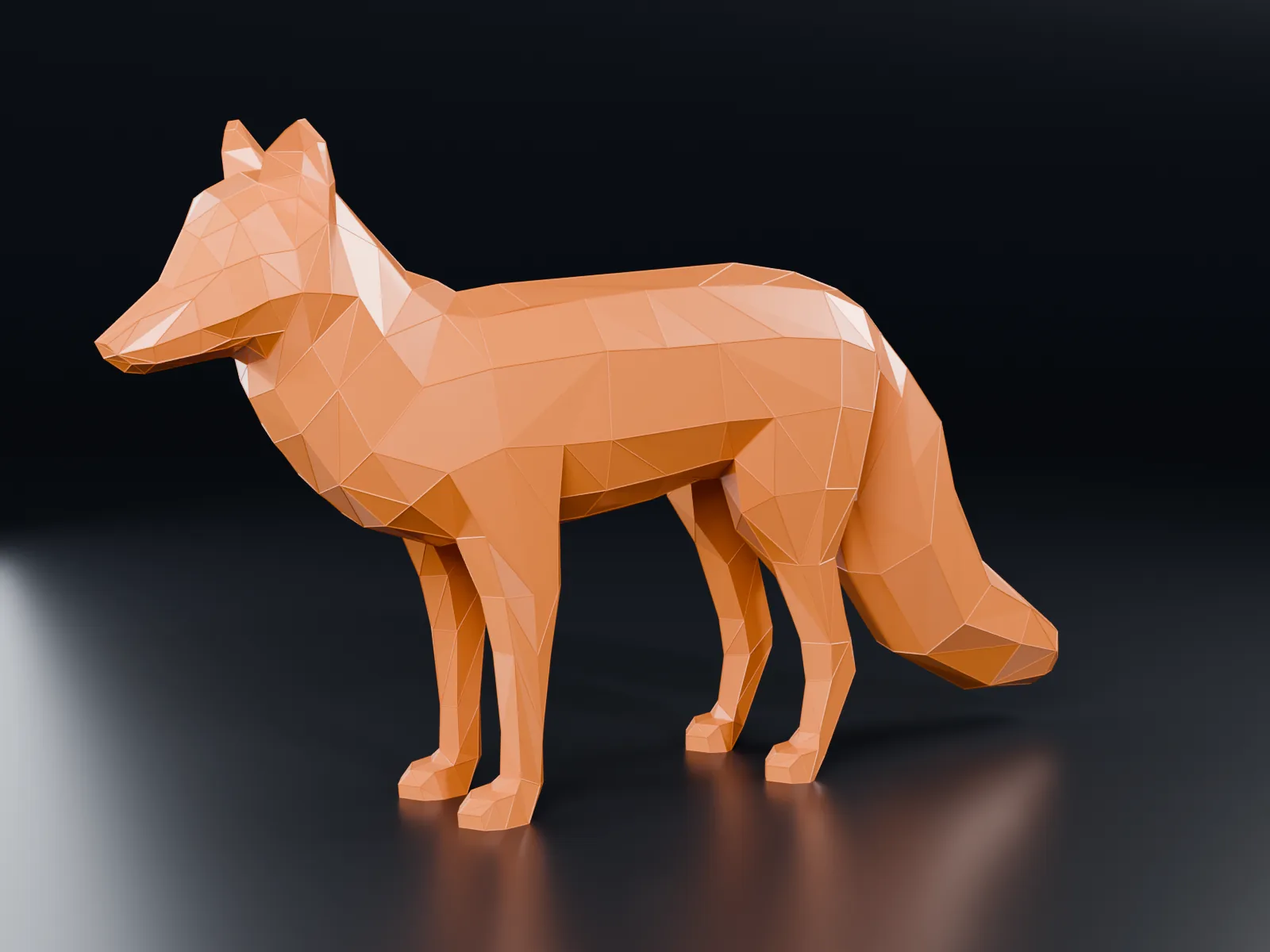
There is no single best finish for a stainless steel sculpture. A mirror finish delivers the greatest visual impact, but it needs washing and shows every handprint. A satin finish is calmer and more forgiving, while powder coating or a RAL lacquer lets you match a brand colour exactly. The right choice depends on the location, the lighting and who will be maintaining the sculpture.
Mirror finish: impact at the cost of upkeep
Polishing to a high gloss turns the surface into a looking glass. The sculpture reflects the sky, greenery, buildings and passers-by, so in a park or on a small square it changes its appearance with every time of day and every viewing angle. It is the most striking of the available finishes.
That advantage comes at a price. A mirror finish shows fingerprints, rain streaks, scratches and minor mechanical damage. A well-polished surface has to be washed regularly, and elements within reach of children and passers-by will get dirty faster than those several metres up.
A mirror finish has one more characteristic that is easy to forget at the design stage: it reflects everything, including sunlight. Large concave or parabolically curved surfaces can focus the glare and dazzle viewers. For forms with complex geometry, it is worth checking this in the 3D model before the sheet is cut.
Satin and brushed finish: calm and durable
A satin finish is a matt, directional texture with fine lines left by abrasive treatment. Light is not reflected like a mirror but scattered, so the sculpture looks calmer and more "metallic" than "shiny".
In practice this means fewer problems. Dirt and fingerprints are less visible, minor scratches blend into the directional grain, and the surface can be refreshed when needed by working along the direction of the finish. It works well where the sculpture stands beside a busy pavement, in a space that is hard to clean regularly, or where the client prefers a subdued look.
The direction of the finish is a design element. The lines can run along the form, emphasising its shape, or across it, which changes how the proportions are perceived. Where parts are joined with a weld seam, the finish must be done so that the transitions between details are consistent.
RAL colour: powder coating and lacquer
If the sculpture is to be recognisable as part of a brand identity, or is to depict an animal with characteristic colouring, the steel can be painted. An orange fox or a graphite bear, for example, is usually finished in a chosen colour from the RAL palette, applied as powder coating or lacquer.
Colour offers something that a stainless finish alone cannot: a match with a company's graphic guidelines or with its surroundings. It also lets you combine a colour with a matt or semi-matt sheen that looks different from natural metal.
It should be remembered, however, that this is a coating on the steel, not the steel itself. A coating can scratch or chip, and then it needs local repairs. It also requires proper preparation of the substrate. The durability of the colour outdoors depends on the quality of the surface preparation, the type of paint and exposure to the sun, so before ordering it is worth asking the manufacturer about the paint system, not just the RAL number.
PVD coatings: gold and bronze
PVD is a thin coating applied in a vacuum, which gives stainless steel the colour of a precious metal, such as gold or bronze, without painting. The effect looks like tinted metal rather than paint, which matters for sculptures of a prestigious character.
The limitations are practical. PVD coatings are applied in chambers, so the size of the element and whether it can be processed in such equipment set the limit of use. For large, welded sculptural forms, PVD is often considered for smaller details or for elements made separately. Before deciding, it is worth establishing with the manufacturer whether a given form is suitable at all and how any touch-ups are carried out.
How the finishes look at night with lighting
Lighting changes how a finish is perceived more than is usually assumed, which is why the sculpture and its illumination are best designed together.
- Mirror finish reflects light sources as bright points and highlights rather than as an even wash. It creates a shimmering effect and depth, but glare is very easy to cause when a floodlight is aimed directly at the polished surface.
- Satin finish scatters light, so the form is lit evenly, and the directional texture stands out clearly under light falling at an angle. It is the easiest finish to illuminate.
- RAL colour depends on the colour of the light. A warm LED tone will intensify orange, while a cool one can turn it grey; dark graphite blends into the background in weak light.
- PVD gains depth in warm light, but depends heavily on the angle at which the light falls.
Tip: position floodlights for mirror-finish sculptures at an angle and from a short distance, so that the beam does not bounce back into the observer's eyes. For a satin finish, light grazing across the surface works best.
How to clean a steel sculpture
The rule is the same for all finishes: be gentle, and avoid abrasive pastes and wire wool, which scratch the surface and remove the coating.
- Mirror finish: water with a mild detergent and a soft microfibre cloth, then dry it off so that no streaks remain. Fingerprints and smears are removed regularly, not "once a season".
- Satin finish: wash with a cloth always along the direction of the finish, never in circles, as this changes the appearance of the texture.
- RAL colour and PVD: only mild products and soft materials, with no solvents or abrasives. Scratches in the coating should be reported to the manufacturer for local repair.
When planning the site, take access to the sculpture into account: if reaching it with a bucket and ladder is difficult, a satin finish will be a more sensible choice than a mirror finish.
Comparison of finishes
| Finish | Daytime appearance | Visibility of dirt and scratches | Maintenance | At night with lighting |
|---|---|---|---|---|
| Mirror finish | Reflects its surroundings, most striking | High: fingerprints, streaks, scratches | Regular washing | Highlights, risk of glare |
| Satin / brushed finish | Matt, directional, calm | Low | Simple, along the direction of the finish | Even light, visible texture |
| Powder coating / RAL lacquer | Brand or character colour | Depends on colour and sheen | Gentle washing, coating touch-ups | Colour shifts with the colour of the light |
| PVD (gold, bronze) | Tinted metal | Depends on the surface structure | Mild products, no abrasives | Depth in warm light |
How to choose
Start by asking who will maintain the sculpture and how, because that usually decides it. For a showpiece outside a company headquarters, cleaned regularly, a mirror finish makes sense. For a public space without permanent upkeep, a satin finish will be better. When brand colour or fidelity to a character matters, choose RAL painting. Leave PVD for details and prestige projects, once the technical feasibility has been checked. Our workshop in Gryfice produces a 3D model for approval before cutting, photos from every stage, and a quote within 48 hours.
Frequently asked questions
Does mirror-finish steel always dazzle?
No, but large, concave or curved surfaces can focus sunlight or floodlight glare. That is why the geometry and the direction of incoming light are checked at the 3D model stage, before the sheet is cut.
Which finish is the easiest to maintain?
A satin or brushed finish: it shows dirt, fingerprints and minor scratches less, and can be cleaned with a cloth along the direction of the finish. A mirror finish needs the most frequent washing.
Can a sculpture be painted in a brand colour?
Yes, powder coating or lacquer in a chosen RAL colour is used, for example orange or graphite. It is worth asking the manufacturer about the paint system and how any damage to the coating is repaired.
Sources: editorial brief without numerical data; no external sources are cited in the text.
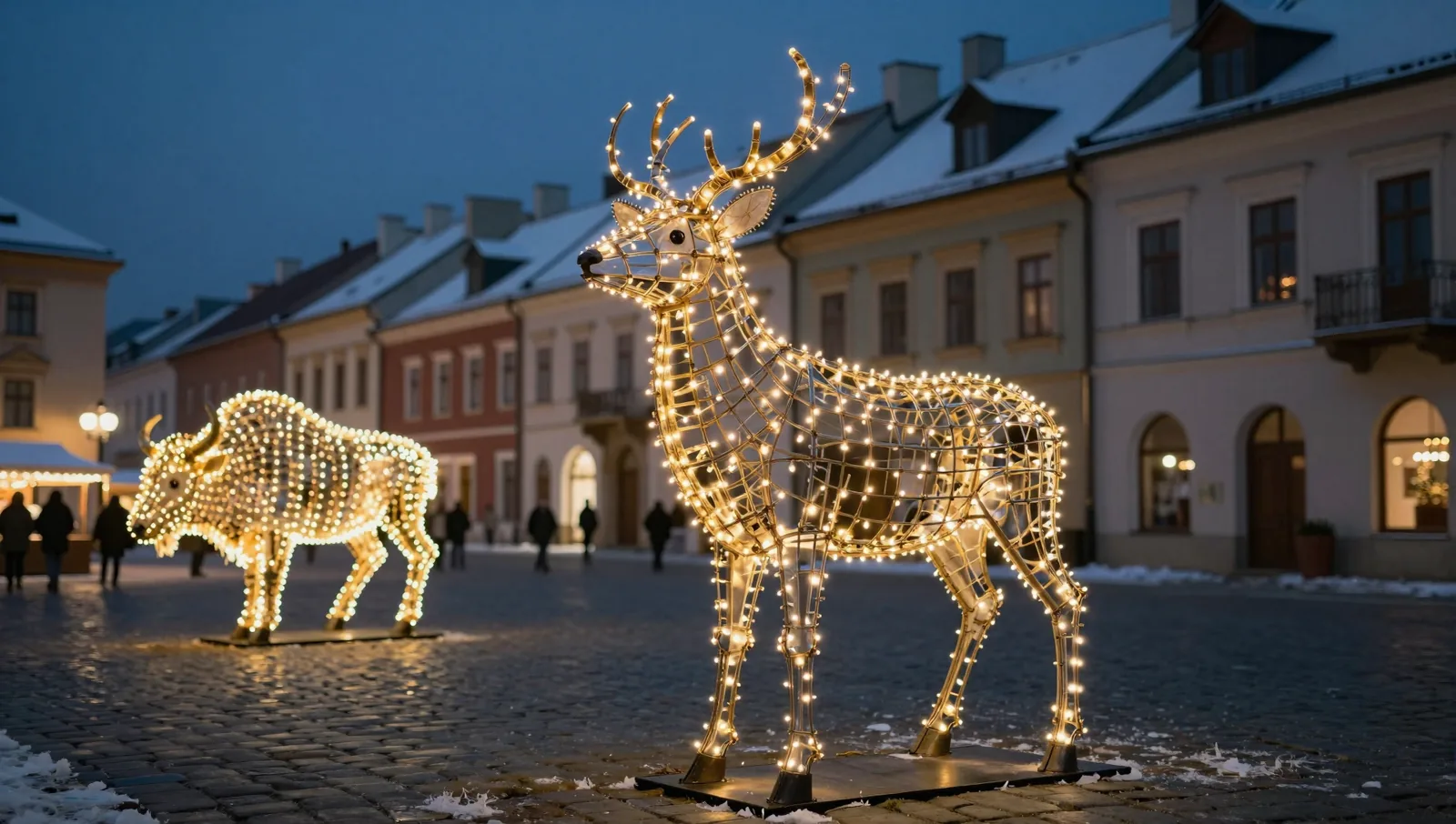
Custom 3D Light Figures: A Guide for Towns and Businesses
What 3D light figures are, the types available, what drives the price and how ordering works: a guide for municipalities, galleries, parks and hotels.
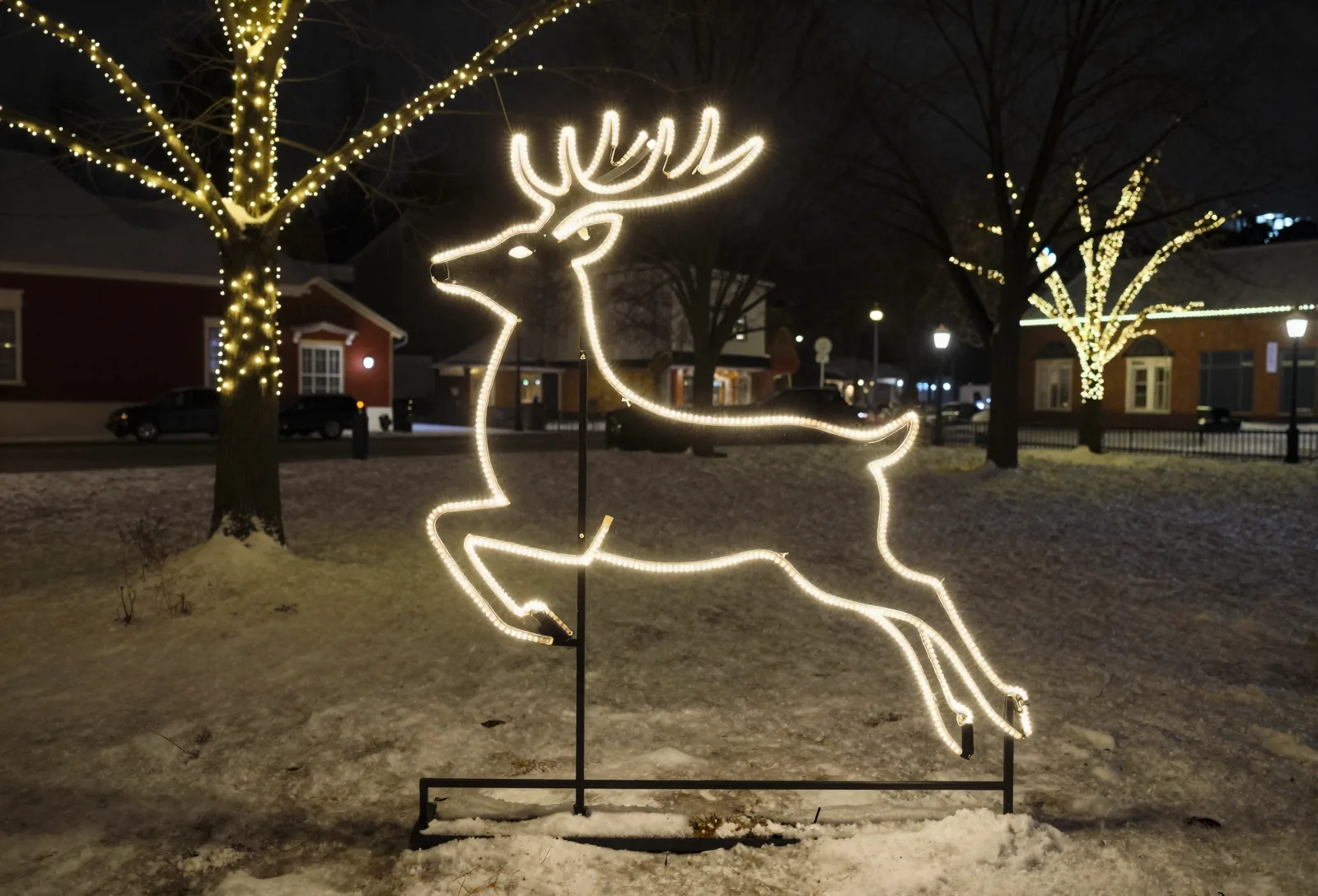
Silhouette 3D or 3D light figure? Choosing the right type
Silhouette 3D or 3D light figure? A comparison of construction, weight, transport and installation site, with guidance on choosing the right type of.
IP44, IP65, IP67: which LED lighting lasts an outdoor season
What IP44, IP65, IP67 and IK06 mean for outdoor LED lighting, and how to choose connector sealing, cable and voltage for seasonal installations.